中心簡介
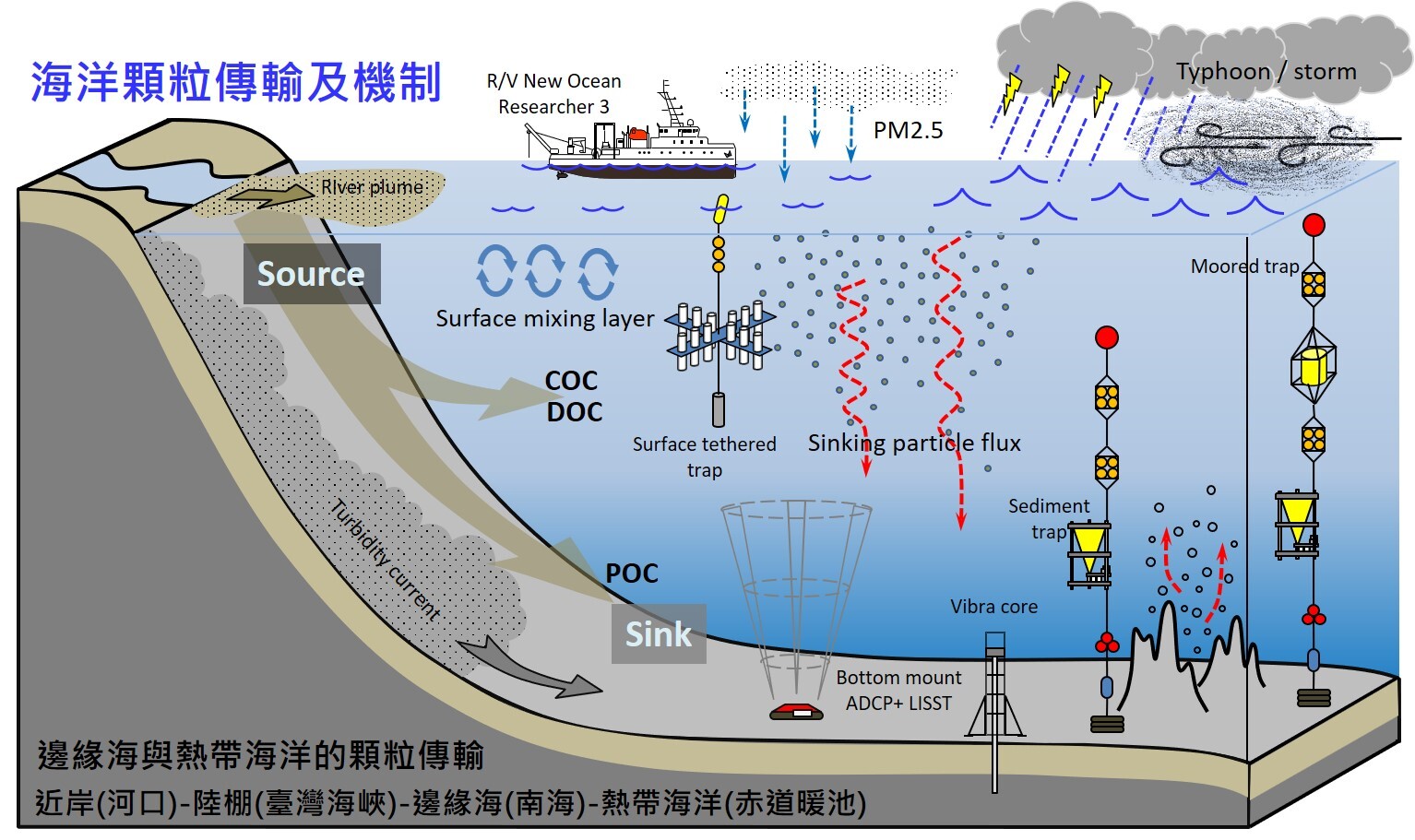
Phase I (2020–2024) of the New Ocean Researcher 3 Marine Instrument Center Project focused on providing technical support for key research areas, including sediment particle transport dynamics, biogeochemical effects, and their spatiotemporal distribution.
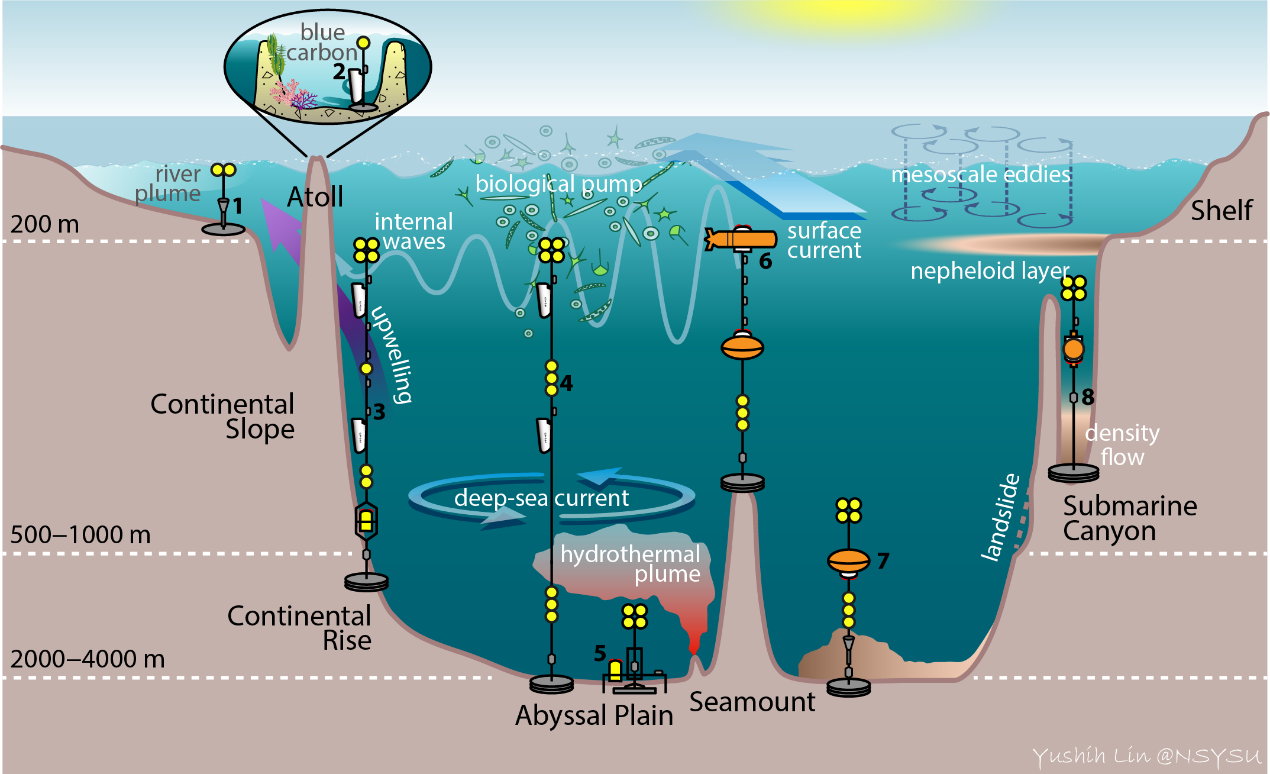
Phase II (2025–2028) will further optimize equipment and expand research capacity, including: (1) expanding the research capacity of moored sediment traps to cover observational technologies from shallow to deep sea, (2) establishing a broader range of underway analysis techniques and carbon chemistry-related instruments, and (3) introducing "benthic boundary processes" as a new focus area, accompanied by the acquisition of sediment-related equipment. Through Phase II, the center aims to support a more diverse range of marine research endeavors, enabling researchers to pursue cutting-edge studies without logistical barriers while promoting resource sharing and knowledge transfer.
Marine Chemistry
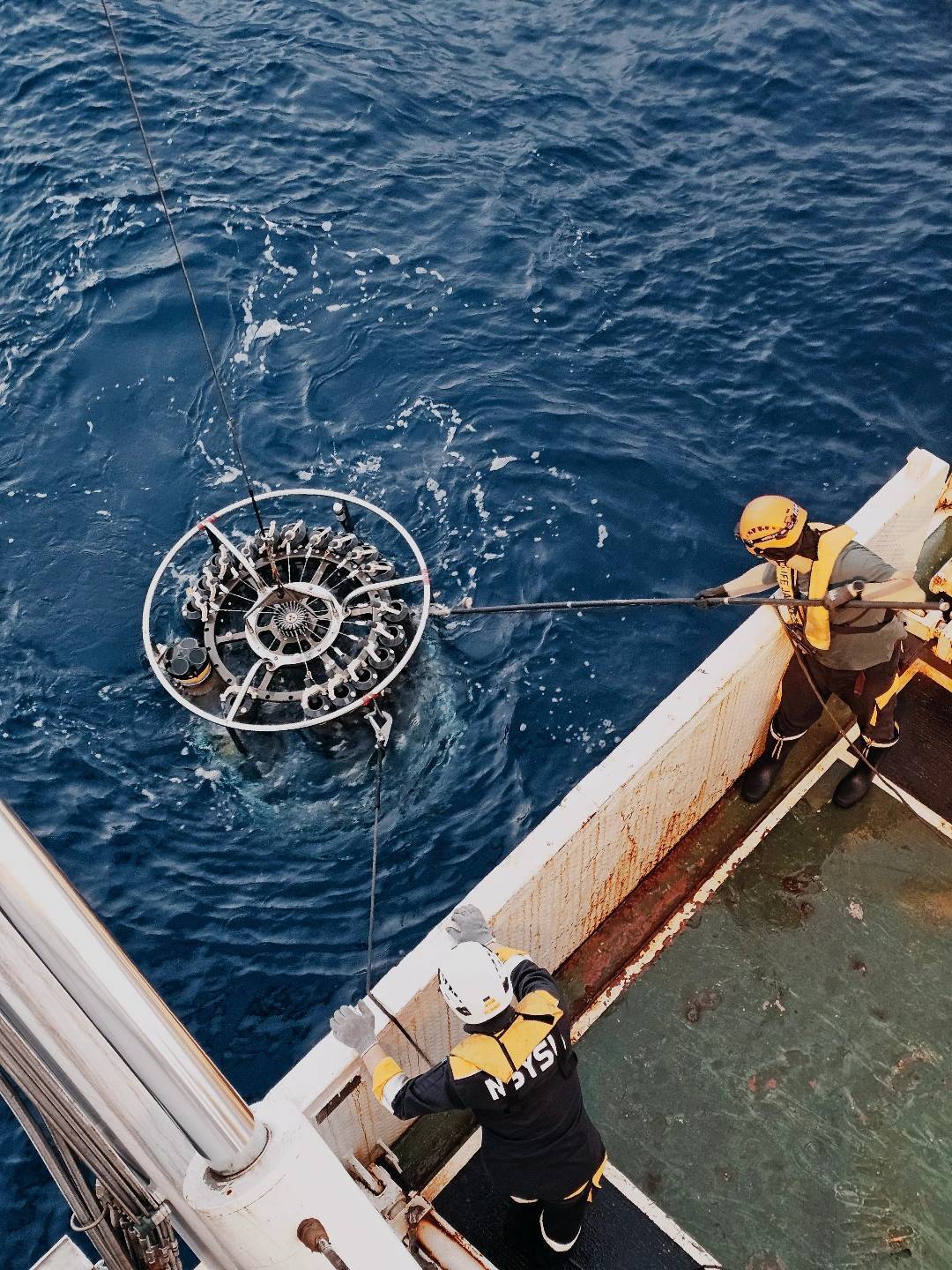
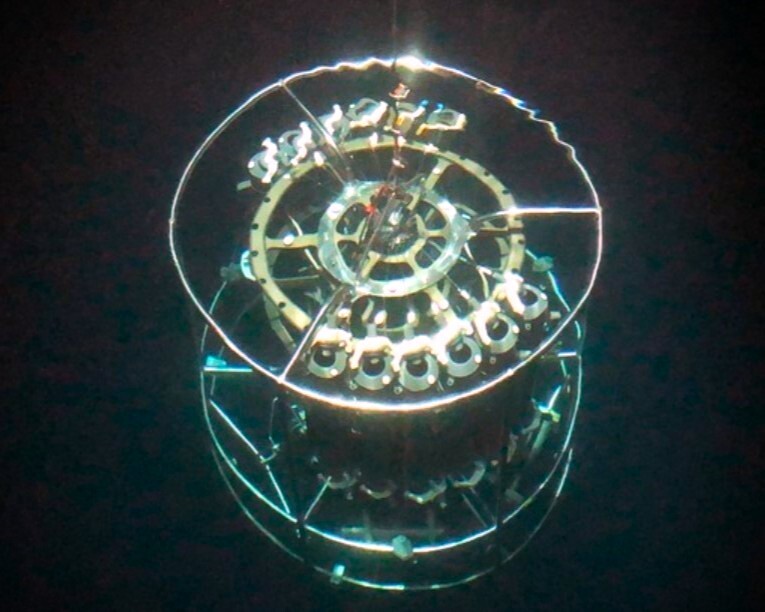
Integrating underway continuous-analysis technology and carbon-chemistry observation equipment with fixed-mooring monitoring to build a complete picture of marine biogeochemical cycling mechanisms.

Marine Physics
Resolving high-spatial-resolution variability in ocean currents, investigating current characteristics and turbulent dynamics around Taiwan's waters, and building full-water-column observation techniques from shallow to deep sea.
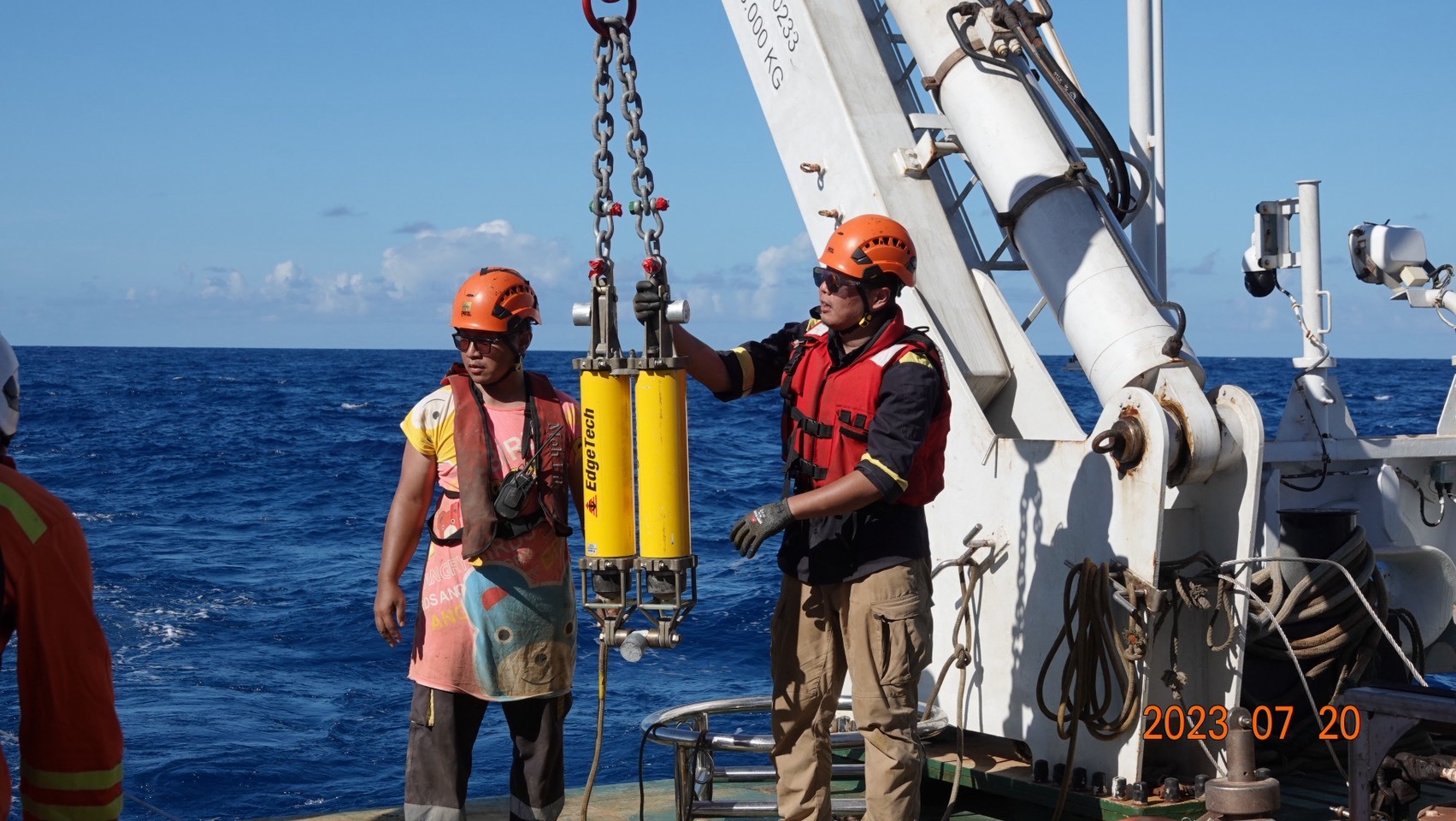
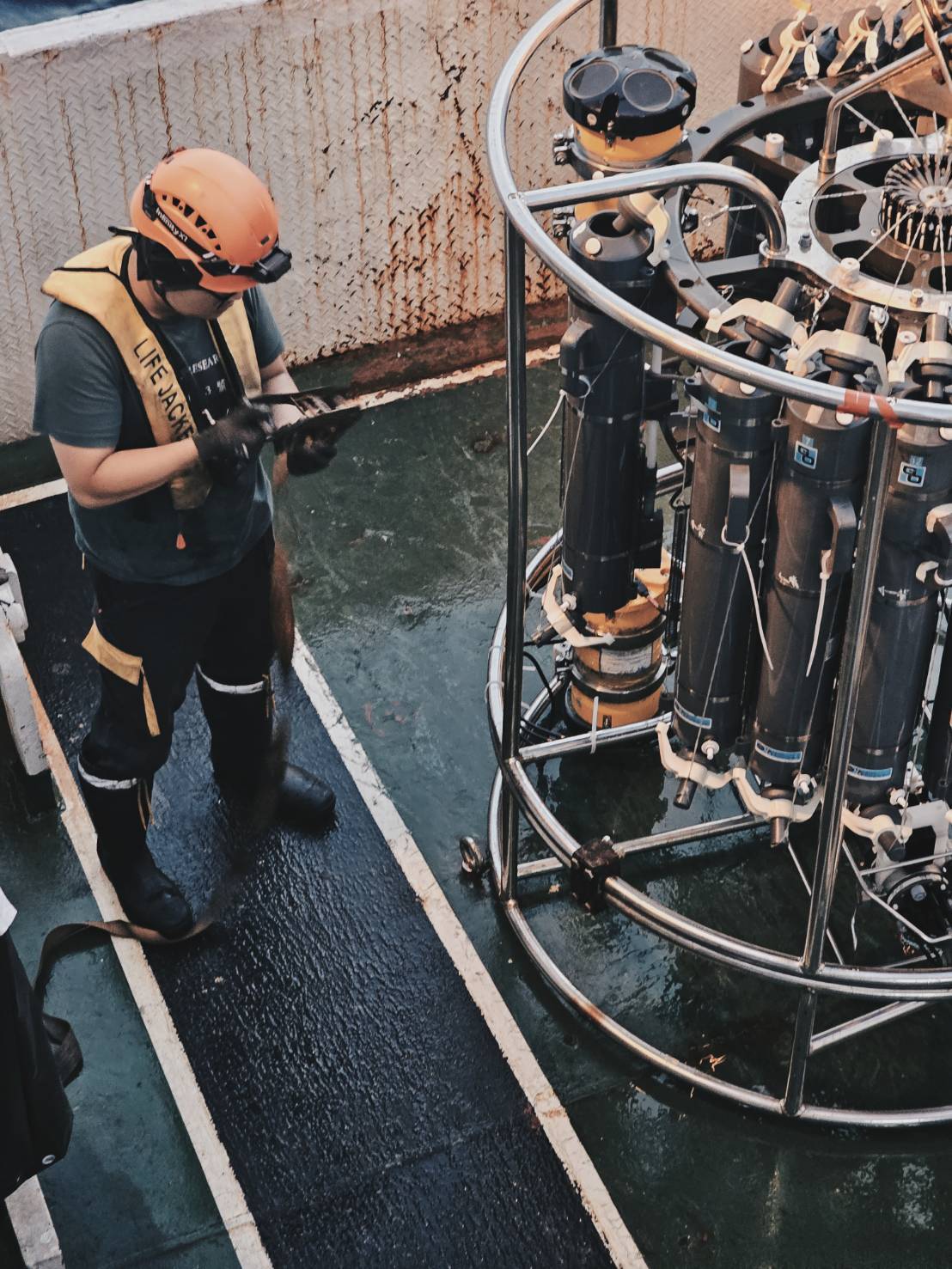
Marine Geology
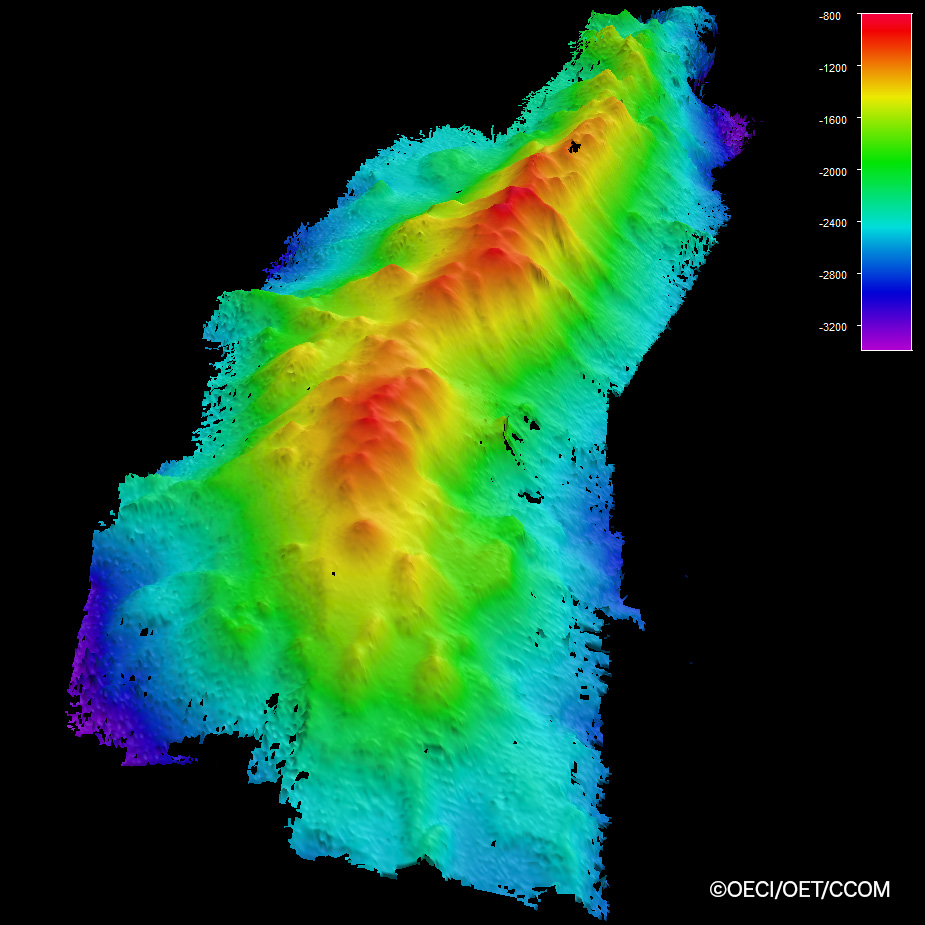
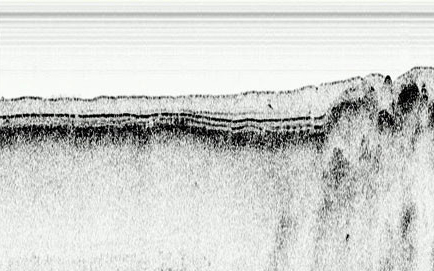
Centered on sediment particle transport dynamics, expanding the research capacity of sediment traps, and combining shipboard multibeam bathymetry, sub-bottom profiling, and core sampling to clarify the geological evolution of the seafloor boundary layer.